Choosing the right cordless reciprocating saw can make a huge difference to how efficiently you tackle demolition work, pruning, or general DIY projects around the home. With so many models flooding the market, it's easy to feel overwhelmed by the sheer number of specifications and price points on offer. This guide takes a closer look at what separates the good from the truly excellent, helping you make a confident decision before you part with your hard-earned cash.
Key takeaways
- The performance of a cordless reciprocating saw is primarily determined by its battery capacity, cutting power, and overall build quality.
- Stroke rate and stroke length are critical indicators of cutting speed, with variable speed triggers providing necessary control for different materials.
- Major brands like Bosch, Ryobi, and Makita cater to different segments, ranging from professional-grade durability to budget-friendly consumer value.
- Ergonomic design, including weight distribution and rubberized grips, is essential for reducing user fatigue and maintaining cutting accuracy.
- Advanced anti-vibration technology in modern models significantly improves user comfort by dampening the jarring sensations during heavy-duty tasks.
- When purchasing, buyers should evaluate the value of buying a 'bare tool' versus a complete kit that includes batteries, chargers, and cases.
Top-rated cordless reciprocating saws: performance and features analysis
When it comes to selecting a reliable tool for cutting through timber, pipework, or metal, a few key characteristics tend to separate the best performers from the rest. Battery life, cutting power, and overall build quality are the pillars that most buyers focus on, and rightly so. A saw that runs out of juice halfway through a job or struggles to maintain consistent power is more of a hindrance than a help. The best models on the market in 2024 strike a sensible balance between raw performance and practical usability, making them suitable for both tradespeople and enthusiastic hobbyists tackling weekend projects.
Battery Capacity and Runtime: Which Models Offer the Best Endurance?
Battery technology has come a long way, and the latest generation of lithium-ion cells means that runtime anxiety is becoming less of an issue for cordless tool users. That said, not all batteries are created equal. Some saws can chew through a charge remarkably quickly, especially when cutting dense materials like hardwood or metal piping. Higher capacity batteries, typically those with a greater amp-hour rating, tend to offer noticeably longer working sessions before needing a recharge. It's worth considering whether a manufacturer includes a fast-charging option, as this can be a genuine time-saver on site. For anyone working across multiple locations throughout the day, having a spare battery on hand is often a sensible precaution rather than an unnecessary expense.
Power and stroke rate: comparing cutting speed across leading brands
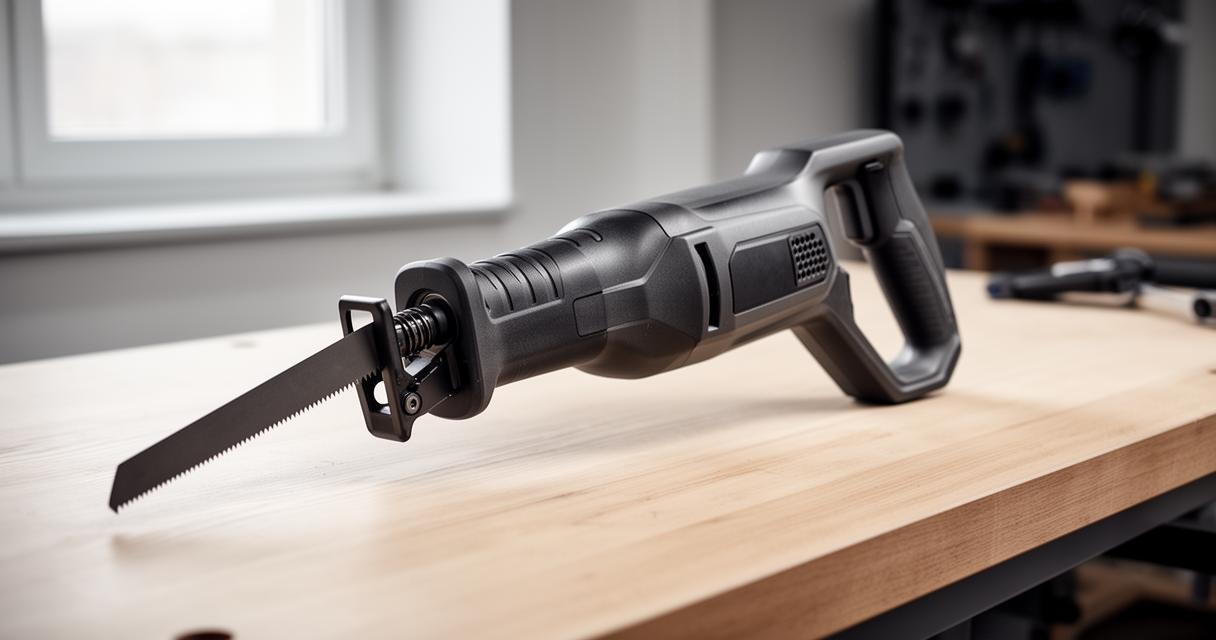
Stroke rate, measured in strokes per minute, is one of the clearest indicators of how quickly a saw can chew through material. A higher stroke rate generally translates to faster cutting, though this isn't the whole story. Stroke length also plays a crucial role, as a longer stroke allows the blade to clear debris more effectively and maintain a cleaner cut. Many of the top-performing saws now include variable speed triggers, giving users greater control depending on the material being cut. This flexibility is particularly useful when switching between delicate pruning work and heavier-duty demolition tasks, as it prevents unnecessary strain on both the tool and the saw blades themselves.
Brand Showdown: Bosch vs Ryobi vs Makita Cordless Reciprocating Saws
Three names consistently dominate conversations among tradespeople and DIY enthusiasts alike: Bosch, Ryobi, and Makita. Each brand has built a reputation for reliability, though their approaches differ slightly in terms of design philosophy and target audience. Bosch tends to focus on precision engineering and professional-grade durability, while Ryobi has carved out a niche among casual users seeking excellent value without sacrificing too much on performance. Makita, meanwhile, sits comfortably in between, offering robust tools that appeal to both trade professionals and serious hobbyists.
Weight and Ergonomics: Evaluating Handling and User Comfort
Anyone who has spent an entire afternoon working with a heavy power tool knows just how important weight distribution and grip design can be. A saw that feels cumbersome after just a few minutes of use is going to slow down productivity and increase fatigue significantly. The best cordless reciprocating saws balance a compact, lightweight body with enough heft to feel stable during cutting. Rubberised grips and thoughtfully placed handles also contribute to overall comfort, particularly when working overhead or in tight spaces. Ergonomic design isn't just about comfort either; it directly affects control and accuracy, which ultimately impacts the quality of the finished cut.
Vibration Emission and Stroke Change Efficiency: What the Tests Reveal
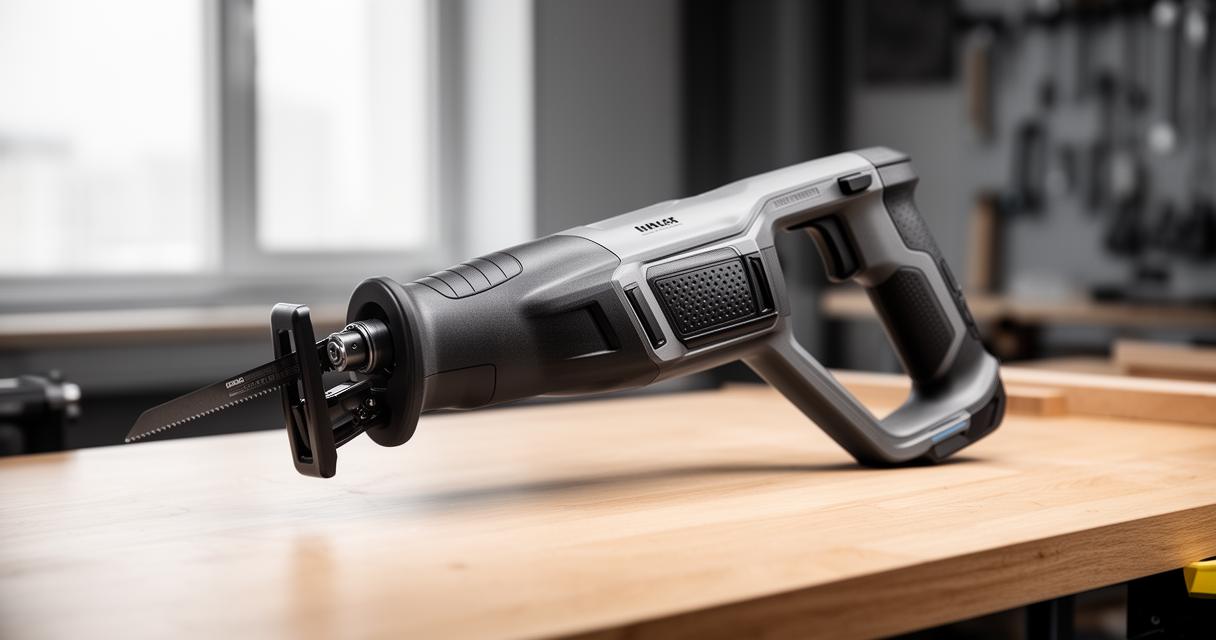
Excessive vibration is more than just an annoyance; over prolonged use, it can lead to genuine discomfort and even long-term hand fatigue. Testing across various models reveals that anti-vibration technology has improved considerably in recent years, with many premium saws now incorporating dampening systems that noticeably reduce the jarring sensation felt during heavy use. Stroke change efficiency, meanwhile, refers to how smoothly a saw transitions between different cutting speeds and depths. Models that handle this transition seamlessly tend to offer a more pleasant overall experience, particularly when working on projects that require frequent adjustments between materials such as wood, plastic, and metal.
Price Comparison and Value for Money: Where to Buy in 2024
Price remains one of the most decisive factors for most buyers, and understandably so. While premium models from established brands often command a higher price tag, this doesn't necessarily mean cheaper alternatives are inferior. It's about finding the right balance between your budget and your specific needs, whether that's occasional DIY use or regular professional application.
Amazon UK Pricing Analysis: Finding the Best Deals on Cordless Reciprocating Saws
Shopping online has become the go-to method for comparing prices across different retailers, and Amazon UK remains a popular destination for tool purchases. Prices can vary considerably depending on whether you're buying a bare tool or a full kit that includes batteries, charger, and carry case. It's worth keeping an eye out for seasonal sales, as many manufacturers offer significant discounts during major shopping events throughout the year. Reading through customer reviews on these platforms can also provide valuable real-world insight that goes beyond the manufacturer's marketing claims, helping you spot potential issues before committing to a purchase.
Professional Reviews and Recommendations: Which Saw Offers the Best Return on Investment?
Independent reviews from trusted sources within the trade community often carry more weight than glossy marketing material, and for good reason. Professionals who use these tools daily are quick to highlight genuine strengths and weaknesses that casual buyers might otherwise overlook. When weighing up return on investment, it's sensible to consider not just the initial purchase price but also the long-term running costs, including battery replacement and the availability of compatible saw blades. A slightly higher upfront cost can often prove more economical over time if it means fewer repairs and a longer overall lifespan for the tool. Ultimately, the best choice will depend on your specific requirements, but doing your homework and comparing options thoroughly will always pay dividends in the long run.