There was a time when a mattress was simply a mattress, a slab of foam or springs we gave little thought to beyond how soft it felt under a tired body. That has changed rather dramatically. Today, the humble bed has become one of the most sophisticated pieces of technology in the home, quietly gathering data, adjusting temperature and learning our habits while we drift off. The connected mattress has arrived as a genuine contender in the quest for better rest, and it is worth understanding exactly how it works before deciding whether it deserves a place in your bedroom.
Key takeaways
- Connected mattresses integrate sensors directly into bedding materials to track sleep patterns, heart rate, and respiratory data without the need for wearable devices.
- These smart beds use companion apps to translate sleep data into actionable insights, helping users improve their sleep hygiene or identify health patterns.
- Advanced features in modern smart mattresses include automated temperature regulation and position adjustments to minimize snoring and overheating.
- By monitoring sleep cycles, these mattresses aim to increase the duration of deep sleep, which is essential for physical recovery and immune system support.
- Smart mattresses provide practical health benefits for individuals with chronic pain or sleep apnea by promoting better spinal alignment and detecting breathing irregularities.
- The growing market for smart bedding offers various options that prioritize personalized comfort alongside the technological goal of achieving higher sleep quality.
Understanding connected mattresses: technology meets comfort
What is a Connected Mattress and How Does It Work?
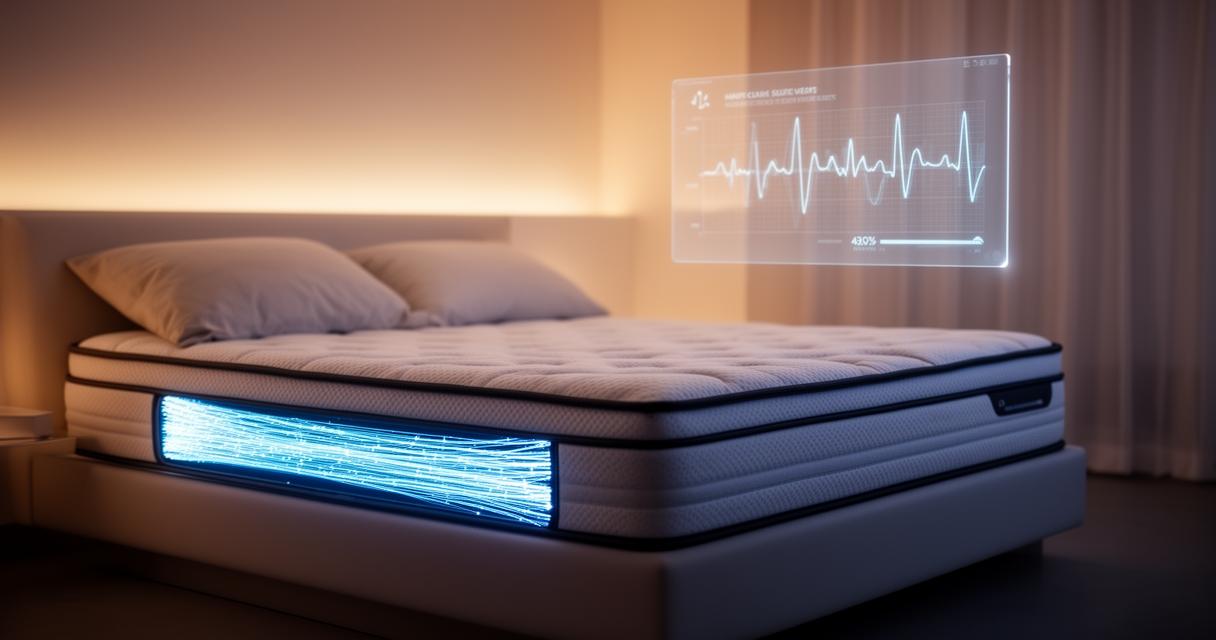
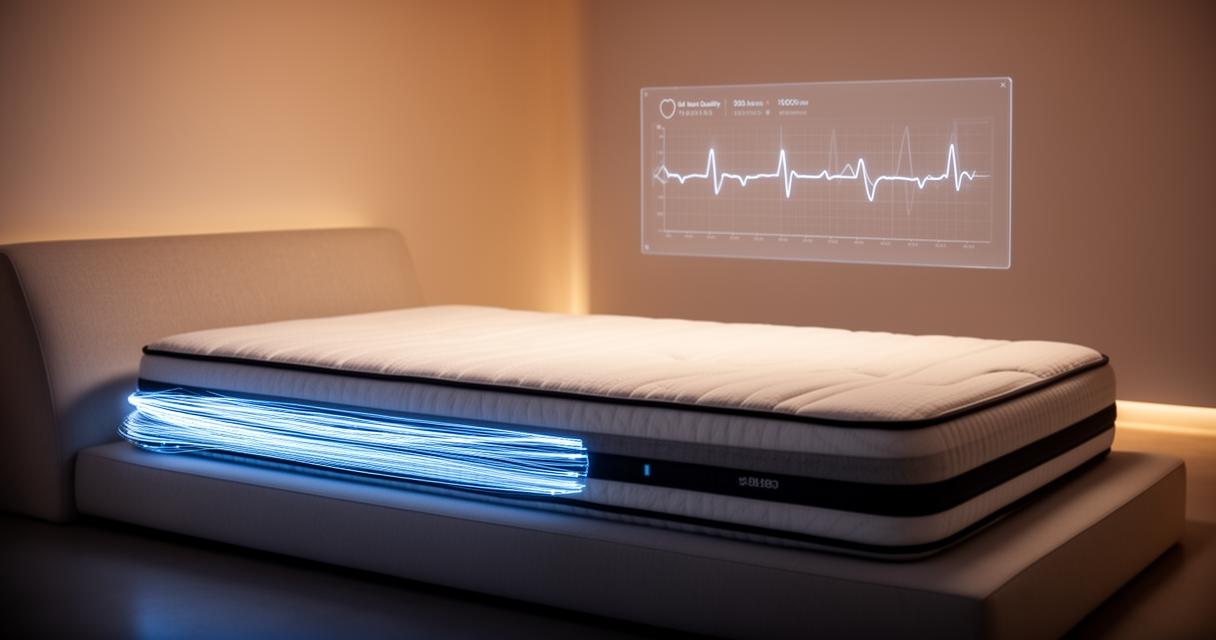
At its core, a connected mattress is a piece of sleep technology that blends traditional bedding materials with digital intelligence. Rather than simply providing support, these smart beds actively measure how long and how well you sleep through a network of embedded sensors woven into the mattress itself. These sensors pick up on tiny movements, changes in breathing, and shifts in position throughout the night, building a detailed picture of your sleep patterns that would once have required a laboratory visit to obtain.
What makes this genuinely useful rather than just a gimmick is the way the data gets put to work. Many smart mattresses, including well-known options from Nokia and Emma, pair with a companion app that translates raw numbers into something meaningful, offering suggestions for improving your sleep routine or flagging patterns worth discussing with a doctor. This marries neatly with the wider conversation around wellness, where recovery and personalisation matter just as much as the hours logged in bed.
The Integration of Sensors and Smart Features in Modern Bedding
The clever part lies in how unobtrusive these systems have become. Early versions of sleep tech felt clunky and required wearable devices, but the current generation of connected mattresses has moved sensors directly into the sleeping surface. This means no watches, no clips, no wires to fuss with, just a mattress that quietly does its job. Features such as temperature control and snoring prevention through automatic position adjustment have become common, alongside biometric tracking of heart rate and respiratory rate.
Cooling technology has become particularly important in mattress design, especially for those living in warmer climates where overheating can wreck a night's sleep before it has even begun. The bedroom, in general, is being reimagined as a wellness space, with attention paid not just to the mattress but to lighting, noise control and air quality as well. Pillow design has followed suit, becoming more personalised to suit different sleeping styles and neck positions, proving that the smart mattress revolution isn't happening in isolation.
Health benefits and sleep quality enhancement through smart mattress technology
Monitoring sleep patterns and addressing common sleep issues
Sleep is not the simple on-off switch many of us imagine it to be. A typical night consists of four to six sleep cycles, each lasting somewhere between ninety and one hundred and ten minutes, moving through light sleep, deep sleep and REM sleep in turn. Deep sleep, in particular, is essential for muscle recovery and giving the immune system a proper boost, which is exactly why tracking these stages accurately matters so much.
Companies such as Eight Sleep, founded in 2014, have built entire products around this principle. The Eight Sleep Pod measures metrics including heart rate and respiratory rate with a claimed accuracy of ninety-nine per cent, and the company reports that users experience thirty-four per cent more deep sleep, thirty-two per cent better overall sleep quality and nineteen per cent enhanced recovery. Given that chronic sleep deprivation has worsened over the decades, with Americans reportedly sleeping an hour less than they did back in 1942, this sort of intervention feels increasingly necessary rather than indulgent.
Considering that most people spend around twenty-six years of their life asleep, and that somewhere between fifty and seventy million Americans live with a diagnosed sleep disorder, the case for smarter solutions writes itself. Sleep quality is measured across several factors including sleep latency, duration, efficiency and the number of awakenings during the night, all of which a connected mattress can help identify and, ideally, improve over time.
How connected mattresses help manage sleep apnoea and chronic pain
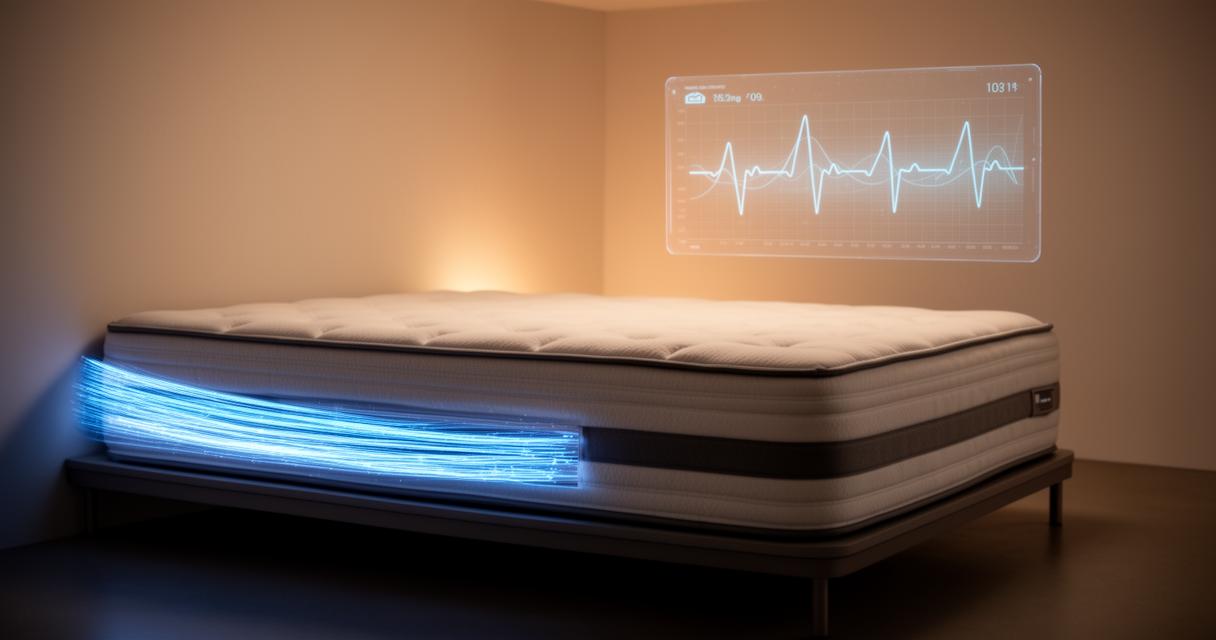
For those dealing with sleep apnoea or chronic pain, smart mattresses offer something genuinely practical rather than merely novel. By detecting irregular breathing patterns, some systems can adjust the sleeper's position automatically to reduce snoring and ease breathing difficulties. Meanwhile, medium-firm mattresses have been shown to promote better spinal alignment, which can make a real difference to those waking up stiff or in discomfort.
Temperature regulation plays a surprisingly large role here too. A body that overheats or becomes too cold during the night will wake more frequently, disrupting the very sleep cycles needed for recovery. Smart mattresses monitor body temperature continuously and make adjustments accordingly, helping maintain the kind of stable environment that supports uninterrupted rest. Many users also find value in consulting sleep specialists armed with data pulled directly from their mattress, turning what was once guesswork into an informed conversation about their health.
Choosing the Right Connected Mattress: Products, Pricing and Practical Considerations
Popular smart mattress options: nokia, emma and other leading brands
The market for connected mattresses has grown considerably, and there is now a genuine range of options depending on what matters most to you. Nokia and Emma remain popular choices thanks to their balance of comfort and smart features, while Eight Sleep has carved out a strong reputation with its Pod system and accompanying app that offers personalised sleep coaching based on your own data. Elsewhere, brands like Napmunks have built their entire identity around designing useful, relevant sleep products, extending the smart mattress ethos into pillows and comforters as well.
Choosing between them often comes down to lifestyle. Someone struggling with overheating might prioritise cooling technology, while another person managing chronic pain may focus more on spinal support and firmness. It is worth reading reviews and, where possible, trying a mattress before committing, since comfort remains a deeply personal matter regardless of how much technology is packed underneath the surface.
It is also fair to raise the question of privacy, since these mattresses collect a significant amount of personal health data throughout the night. Anyone considering a smart mattress purchase should look into how that information is stored and used before handing over their sleep metrics to a company's servers.
Evaluating Price Points and Health Monitoring Frequency for Your Needs
- Traditional mattresses typically range from one hundred and fifty to nine hundred dollars.
- Smart mattresses usually cost between fifteen hundred and four thousand dollars, reflecting the added sensor technology and app integration.
- Monitoring frequency varies by brand, with some offering nightly reports and others providing weekly summaries alongside longer-term trend analysis.
Before spending on a connected mattress, it helps to think honestly about how you intend to use the data. Some people thrive on nightly feedback and enjoy tweaking their routine based on what the app suggests, while others may find constant metrics more stressful than helpful, becoming almost obsessed with numbers rather than simply enjoying rest. Establishing a consistent sleep routine, avoiding stimulants before bed and creating a dark, quiet bedroom environment remain foundational habits that no amount of technology can replace.
Ultimately, the connected mattress represents a meaningful step forward for anyone serious about improving their sleep, offering insight that was previously difficult to access outside of a clinical setting. Whether that insight translates into better rest depends on choosing a product that suits your specific needs, your budget and your comfort with sharing personal health data, but for many people, it has already proven to be a worthwhile investment in their long-term wellbeing.