
Heading off into the wild with a camera in tow is one of life's great pleasures, but only if your kit can actually keep up with the terrain. The Nikon W100 has earned a solid reputation as an all-terrain camera that shrugs off rain, dust and knocks without complaint, yet even the toughest body benefits from a bit of extra support. Whether you're wading through rock pools, scrambling up muddy trails or simply want your shots to look sharper, the right accessories make the difference between a camera that merely survives and one that's genuinely suitable for all conditions. Below are five categories of gear worth considering, drawing on lessons that apply just as well to rugged compacts as they do to more advanced setups.
What to know
- Dedicated waterproof housings provide an essential extra layer of protection for users planning to take the Nikon W100 beyond its standard depth rating.
- Anti-fog inserts and lens protectors prevent condensation and shield the camera lens from damage caused by sand, salt spray, or scratches.
- Flexible tripods and robust ballheads are necessary tools to achieve steady shots and stable framing on uneven outdoor terrain.
- Floating hand grips and secure wrist straps prevent the loss of the camera by keeping it buoyant or attached to the photographer during water activities.
- High-capacity, reliable memory cards ensure that photographers do not run out of storage space while capturing long expeditions.
- Carrying spare batteries and portable power banks allows photographers to maintain power in remote locations where mains electricity is unavailable.
Essential protection accessories for extreme weather photography
No matter how resilient a camera claims to be, an extra layer of protection rarely goes to waste. Photographers who push their gear into genuinely hostile environments often talk about the same lesson learned the hard way: it's the accessories you didn't buy that end up costing you a ruined shoot.
Waterproof Housing and Protective Cases for Deep Water Adventures
For anyone planning to take their camera well beyond its rated depth, a dedicated waterproof housing adds serious peace of mind. These cases act as a second skin, allowing the camera to be submerged further and for longer without risking the seals that keep water out. A sturdy protective case also earns its keep on dry land, cushioning against drops onto rock or concrete that would otherwise chip housings or crack screens. It's a similar philosophy to how enthusiasts approach other camera systems, including the Nikon ZF camera, where third-party accessories are frequently used to reinforce weak points before they become a problem.
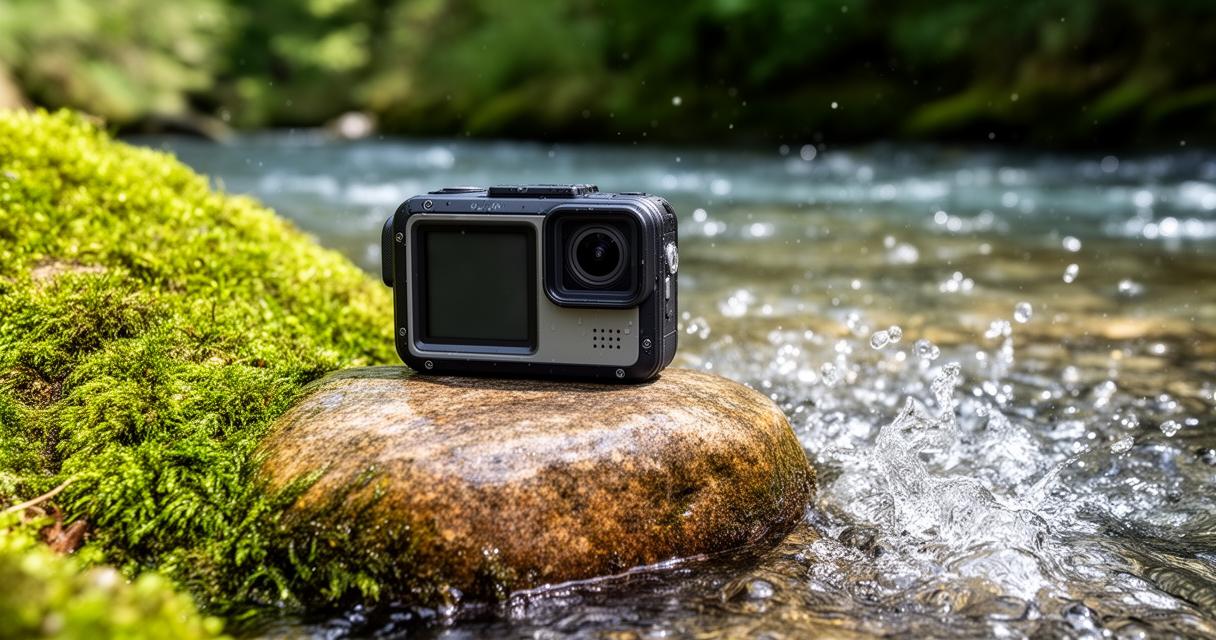
Anti-Fog Inserts and Lens Protectors for Harsh Climates
Condensation is the quiet enemy of outdoor photography, creeping across a lens the moment you move between temperature extremes. Anti-fog inserts, placed inside the housing, absorb moisture and keep the view crystal clear even after a swift transition from a cold sea to warm air. Lens protectors add a further defence against salt spray, sand and scratches, and they're cheap enough that replacing one is far less painful than replacing a lens element. In the same spirit, some photographers fit a ZF Expert Shield Crystal Clear LCD protector to guard their screens, and given that these often arrive with two protectors included, there's little excuse not to keep a spare on hand for screen protection when conditions turn rough.
Mounting Solutions and Stability Gear for Action-Packed Scenarios
Sharp, steady footage rarely happens by accident. Stability gear transforms shaky, opportunistic snaps into considered, professional-looking results, particularly when the ground beneath your feet refuses to cooperate.
Versatile Tripods and Flexible Mounts for Rugged Terrain
A flexible tripod with bendable legs can wrap around branches, rocks or fence posts, giving you a stable base in places a conventional tripod simply couldn't stand. This kind of tripod compatibility matters enormously for all-terrain use, since uneven ground is the rule rather than the exception outdoors. For those wanting something more substantial, a robust ballhead such as the Leofoto LH-40 Ballhead offers durability and versatility that punches well above its price, making it a smart addition for anyone serious about camera support. Pairing a lightweight body with a dependable head gives you the best of both worlds: portability on the move and rock-solid framing once you've found your shot.
Floating Hand Grips and Wrist Straps for Water-Based Activities
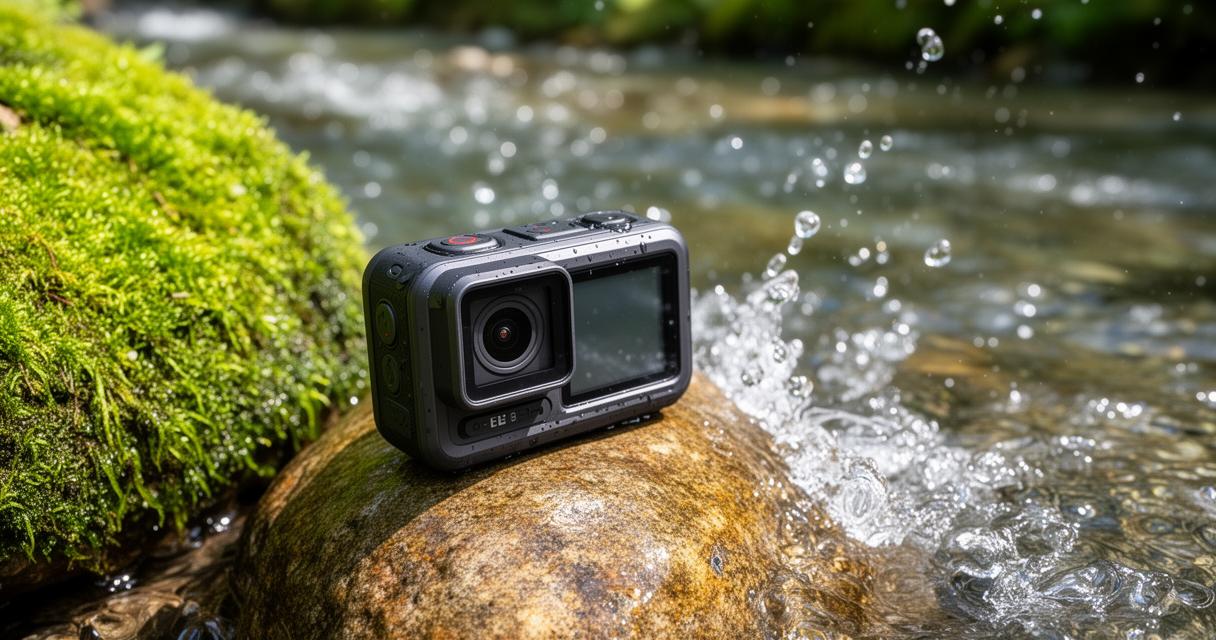
Dropping a camera into a river or off the side of a kayak is every outdoor photographer's nightmare, which is precisely why floating hand grips exist. These buoyant attachments keep the camera afloat if it slips from your fingers, buying you precious seconds to retrieve it. A wrist strap offers similar reassurance on land, and for hikers wanting their hands completely free between shots, something like the Peak Design Capture Clip allows hands-free carrying by attaching the camera securely to a backpack strap, ready to be drawn the instant a scene presents itself.
Power and Storage Enhancements for Extended Outdoor Expeditions
Long days away from civilisation demand a bit of forward planning, particularly when it comes to keeping your camera fed with power and space to store everything you're capturing.
High-capacity memory cards and reliable backup solutions
Nothing derails a trip faster than running out of storage halfway through a hike, which is why high-capacity, reliable memory is worth investing in properly. Sandisk memory cards remain a trusted choice among photographers, and having both SD and MicroSD options on hand covers most camera setups you might encounter. Cameras with a main slot requiring UHS-II cards benefit hugely from faster write speeds, especially when shooting continuous bursts of wildlife or action. Carrying a spare card as backup, tucked away in a dry pocket, means a corrupted or lost card never has to mean a lost trip.
Spare Batteries and Portable Charging Options for Remote Locations
Cold weather and heavy screen use both drain batteries faster than most people expect, so a spare battery or two should always be part of the kit. For multi-day trips far from a plug socket, a portable power bank such as an Anker Battery Bank becomes essential, capable of supporting several full recharges before it needs topping up itself. This kind of portable charging setup gives genuine independence from mains electricity, letting you chase sunrises and sunsets without ever worrying about running dry. Combined with sensible camera control habits, such as switching off Wi-Fi when it isn't needed, your battery life will stretch considerably further across a demanding expedition.
Building out a thoughtful accessory kit doesn't need to be complicated or expensive, but it does reward a little research and a willingness to test gear before you're relying on it in the field. From protective housings to dependable power banks, each addition chips away at the small frustrations that can otherwise spoil a day outdoors. With the right support around it, an all-terrain camera like the Nikon W100 becomes even more capable of handling whatever conditions, and whatever adventure, comes its way.