Cycling has always been as much about strategy and self-knowledge as it is about raw effort, and nowhere is this more apparent than in the way riders now approach power. Whether you are a weekend enthusiast or someone chasing personal bests on a club run, understanding how many watts you produce whilst pedalling can transform the way you train, race, and recover.
Key takeaways
- Cycling power is measured in watts, providing an objective reflection of physical effort that is independent of external factors like wind or road gradient.
- Average power output varies significantly based on fitness and weight, often normalized as 'watts per kilogram' to allow for fairer comparisons between different types of riders.
- Functional Threshold Power (FTP) serves as the primary benchmark for measuring performance and establishing precise, personalized training zones.
- Peak Mean Aerobic Power (PMA) helps define the upper limits of training intensity, allowing cyclists to structure everything from recovery rides to high-intensity intervals.
- Modern power meters enable real-time monitoring of output, allowing cyclists to adjust their effort and cadence precisely while gaining deeper insight into their physiology.
- Transitioning to data-driven training replaces guesswork with evidence-based sessions, leading to measurable improvements in cycling efficiency and overall fitness.
Understanding cycling power and wattage output
What is cycling power and why does it matter?
At its core, cycling power is simply the amount of energy a rider transfers into the pedals, measured in watts. Unlike speed, which can be influenced by wind, gradient, or drafting, power offers a far more honest reflection of the effort being made. This is why so many cyclists have shifted their focus away from average speed and towards wattage as the true measure of performance. A rider grinding up a steep climb into a headwind might be moving slowly, yet producing significantly more power than someone cruising along a flat road with the wind behind them. This distinction matters enormously for anyone serious about structured training, as it allows for consistent, comparable data regardless of external conditions.
Average Watt Output: What Cyclists Should Expect Based on Weight and Fitness
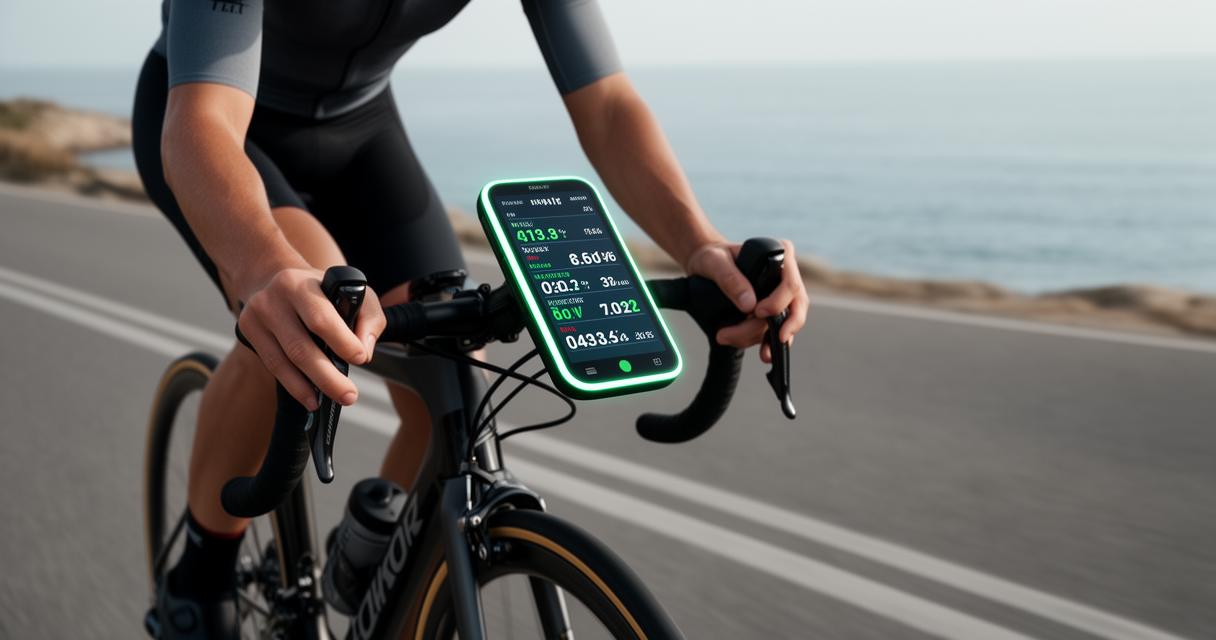
There is no single figure that applies to every cyclist, since average watt output depends heavily on individual weight, fitness level, and experience. A casual rider might comfortably sustain somewhere in the region of 100 to 150 watts over a leisurely ride, whilst a well-trained amateur could push closer to 200 or 250 watts for extended periods. Elite riders, by contrast, are capable of holding remarkable numbers for sustained efforts, sometimes exceeding 300 or even 400 watts during demanding stretches of a race. To make sense of these figures across different body types, many coaches quantify output in terms of watts per kilogramme, offering a fairer comparison between a lighter climber and a heavier sprinter. This ratio, often expressed in kg/min terms when analysing sustained efforts, helps riders understand not just how much power they can produce, but how efficiently they can produce it relative to their own physiology.
Key performance metrics: ftp, pma, and power zones
Functional Threshold Power (FTP) and Its Role in Training
Few concepts have become as central to modern training as Functional Threshold Power, commonly known as FTP. This figure represents the highest average power a cyclist can sustain for roughly an hour, and it serves as a benchmark from which nearly all other training zones are calculated. Knowing your FTP allows you to structure sessions with real precision, ensuring that intervals are neither too easy to provoke meaningful adaptation nor so hard that they lead to premature fatigue. Regular FTP testing, often carried out every six to eight weeks, gives cyclists a tangible way to track improvement and adjust their training zones accordingly as fitness evolves.
Peak mean aerobic power (pma) and defining your effort zones
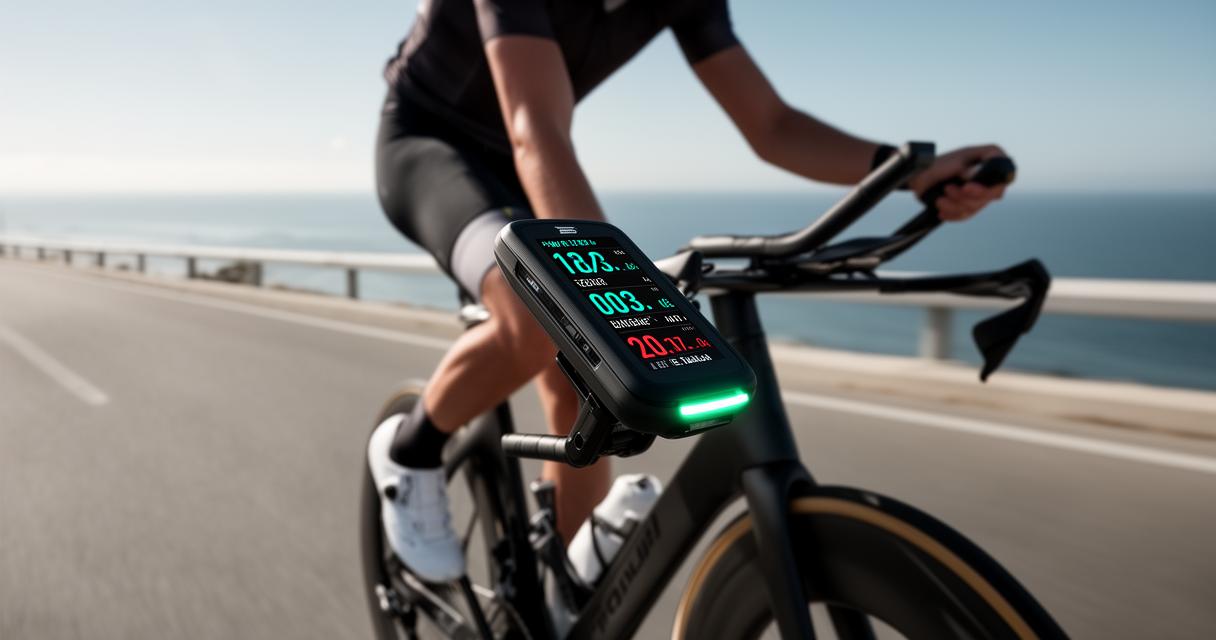
Alongside FTP, another valuable metric is Peak Mean Aerobic power, sometimes referred to as PMA, which reflects the maximum power a rider can generate over a short, intense aerobic effort. This figure helps define the upper boundaries of training zones, distinguishing between endurance riding, tempo work, and the sort of high-intensity intervals that build true race fitness. By combining FTP and PMA, cyclists gain a fuller picture of their capabilities across the full spectrum of effort, from gentle recovery rides through to maximal short bursts. Establishing these zones with accuracy means that every session, whether easy or gruelling, serves a clear purpose within a broader training plan.
Optimising Your Training with Power Metres and Bespoke Sessions
Using Real-Time Power Data to Monitor Effort and Cadence
The rise of affordable power metres has made it possible for everyday cyclists to access data once reserved for professional teams. These devices allow riders to monitor their output in real time, adjusting effort on the fly to stay within a target zone rather than relying purely on perceived exertion. Pairing power data with average heart rate and cadence readings gives an even richer picture of how the body is responding to a given effort, helping riders spot patterns such as fatigue creeping in or cadence dropping during sustained climbs. Over time, this real-time feedback becomes an invaluable tool, not just for hitting numbers but for understanding one's own physiology on a much deeper level.
Tailoring Training Plans to Improve Power Ratio and Cycling Efficiency
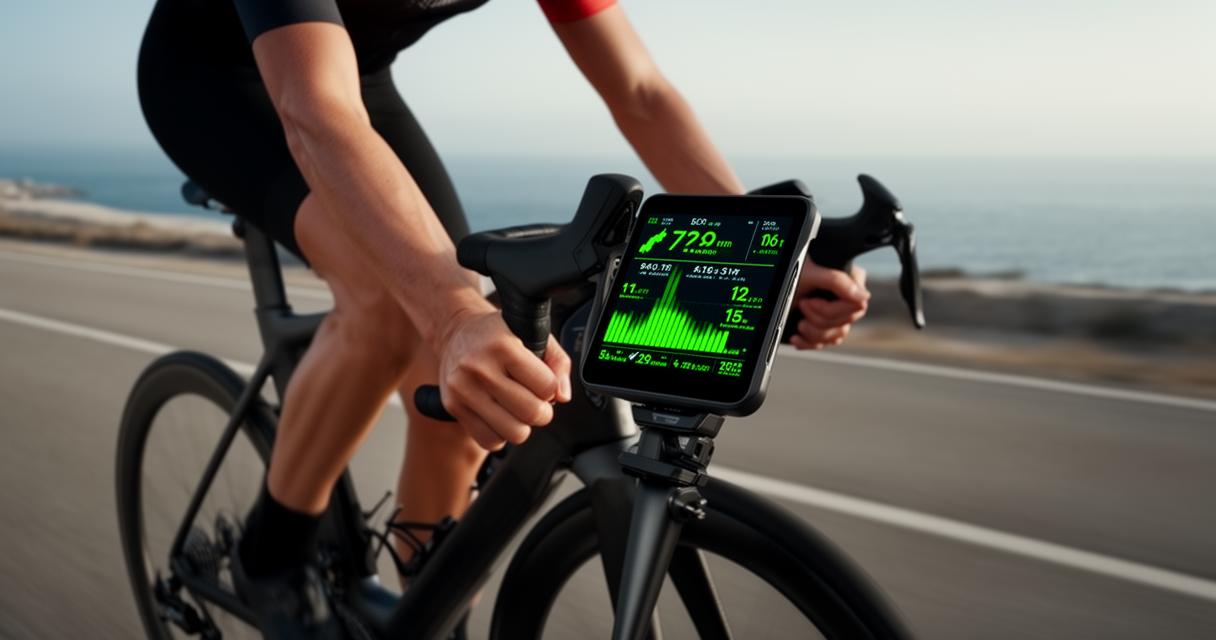
Perhaps the greatest benefit of embracing power-based training lies in the ability to build genuinely bespoke training plans. Rather than following generic schedules, cyclists can design sessions around their specific power ratio, targeting weaknesses whether that means improving short bursts of maximal power or extending endurance at threshold intensity. Regular testing and structured sessions, refined over weeks and months, gradually shift these numbers upwards, reflecting genuine gains in cycling efficiency. As riders become more attuned to their own data, training stops being guesswork and becomes a deliberate, evidence-based process, one where every pedal stroke contributes to a clearer, more measurable sense of progress.